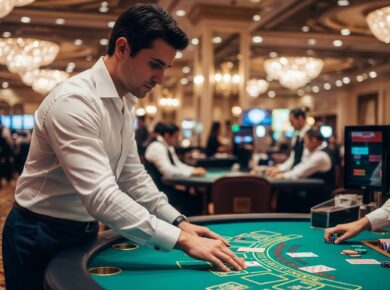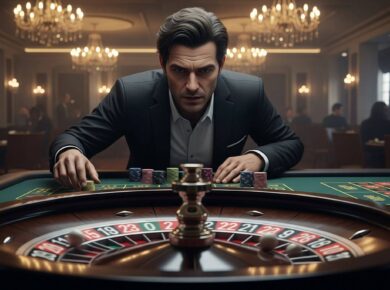
There’s a certain electricity in the air when you step into an Asian gambling hall. It’s not just the clang of the chips, the rhythmic shuffle of tiles, or the flashing lights — it’s the rituals, the beliefs, and the sheer weight of tradition behind every move. Unlike Western gambling, which leans heavily on statistics and game mechanics, Asian traditions wrap gambling in a cloak of mysticism, superstition, and ancestral intuition. And trust me, brush that off at your peril. Over the decades, I’ve seen patterns that defy logic but operate with clockwork regularity within cultural boundaries. These aren't whimsical ideas concocted in moments of desperation. They're time-honoured convictions rooted deep in centuries of spiritual practices, community teachings and — let's not forget — survival instincts. Luck is a currency, perhaps more valuable here than the chips on the table. And the psychology driving it is as structured as any betting system you’ll come across.
Belief systems woven into the fabric of play
One of the biggest misconceptions about Asian players is that they’re just overly superstitious. That’s surface-level thinking. In truth, the rituals and taboos observed aren’t random quirks; they are codified belief systems, often tied to numerology, astrology, and Taoist or Buddhist doctrines. Let’s take an example — the number eight. In Chinese culture, the pronunciation of eight sounds like ‘prosper’ or ‘wealth', so you’ll often see bets gravitating around 8, 88, or 888. Casinos in Macau frequently design table layouts and even chip denominations to cater to this. For more insights on how cultural beliefs influence gambling behaviors, you can explore this resource on Asian gambling psychology. On the other hand, the number four is often avoided like a plague. It phonetically resembles ‘death', making it as welcome as a cracked mirror in a temple. Over time, I’ve noticed even foreign gambling operators, especially in Southeast Asia, quietly adapt their interiors by skipping ‘4' on table numbers or elevator floors. There’s a reason behind it — superstition drives bankrolls just as much as odds do.
Rituals, habits and the perception of control
Ritualised behaviour in gambling often serves a psychological function: the illusion of control. You’ll see players enter casinos only from particular entrances or place wagers only after a sequence of actions — maybe a nod, a chant, or even touching a lucky charm. These might seem eccentric, but they create order in an environment driven by randomness. For a deeper understanding of how rituals influence gambling psychology, see this article on Asian superstitions and their impact on betting. In Cambodia, where betting cafés have mushroomed thanks to platforms like 22Bet Cambodia, I’ve seen players walk out of games mid-run if they feel their energy doesn’t “align.” That’s not them being irrational — it’s a personal risk assessment based on experiential intuition. Seasoned operators know: ignore these beliefs, and you risk alienating your entire VIP segment.
The role of symbols and omens
You’ll rarely find an Asian gambling setup without strong nods to symbolic blessings — whether it’s red decorations (symbolising good fortune), dragons and koi fish emblems, or strategic placement of lucky cats (Maneki-neko). Even the layout of tables in many South East Asian casinos follows Feng Shui principles, designed to encourage positive energy flow or chi. For more on how symbols influence gambling environments, this guide offers valuable insights. But the use of symbols goes even deeper. In some high-stakes mahjong games I’ve sat in on in Hong Kong’s backrooms, a player might stop playing if they draw a specific tile combination early — not because it’s weak, but because it’s considered cursed in their lineage. That psychological impact radiates through the table like a ripple across still water. This tradition contrasts greatly with newer, data-driven approaches to gambling popular in the West. While odds-based systems are effective — like those discussed in tips for improving your odds in casino games — they often overlook the cultural weight of these psychological anchors in an Asian context.
The game within the game: how superstition shapes gameplay
Asian gamblers aren’t just playing a game of cards, tiles, or reels — they’re playing multiple layers of social and spiritual games simultaneously. For instance, it’s common in places like Vietnam and Thailand for big players to avoid gambling after funerals or on certain lunar phases. What Western analytics might dismiss as superstition, many here treat as a proven pattern just as valid as counting probabilities. To understand how cultural beliefs influence betting strategies, this article on Asian gambling customs provides useful context. I've worked closely with licensed operations adapting to markets like Saudi Arabia, where cultural factors blend with technical constraints. Even in that conservative setting, brand trust and symbolic design have sway — that's why brands like Bet365 Saudi Arabia cater content infused with subtle cultural cues to bypass resistance from traditionalists.
When psychology trumps math
Here’s what most casual analysts miss: the belief in luck is self-reinforcing. If someone believes they’re in a lucky streak, their confidence goes up, leading to more assertive bets — and often, surprisingly, to better outcomes. I've seen it happen too many times to dismiss as coincidence. Especially in games that hinge on aggression and play psychology — like baccarat — a boost in morale regularly swings the advantage. For more on the influence of mindset in gambling, see this analysis of Asian betting psychology. The more experienced players know the fine line between riding the ‘chi' of a lucky streak and falling prey to the gambler’s fallacy. But managing that balance is an artform derived from observation, not charts. A hesitant hand? A misplaced chip stack? Those micro-signals tell a story that arithmetic can’t.
Final thoughts: respecting the invisible forces
Anyone aiming to master gambling in an Asian context needs to grasp this fundamental truth: you’re not just playing against odds; you’re dancing with belief. Whether you embrace it or not, other players do — and that belief governs their decisions. If you ignore the psychological and cultural riddles embedded in the game, you’ll find yourself misjudging not just opponents, but the environment. True mastery doesn’t come from memorising odds tables or aping Western strategies blindly. It’s about understanding the silent background music of the room, the ancestral voices whispering in players’ ears, and the quiet belief that a red shirt and incense stick might just turn the tides. Sometimes, to win in this game, you've got to see beyond the cards.

 John Ashley
 Giuseppe Faraone